









What types of air conditioning systems do you offer for commercial buildings?
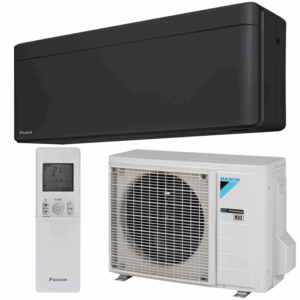
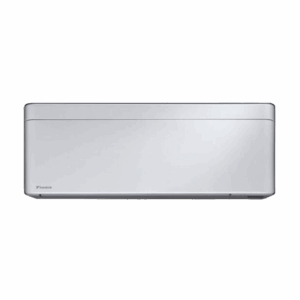
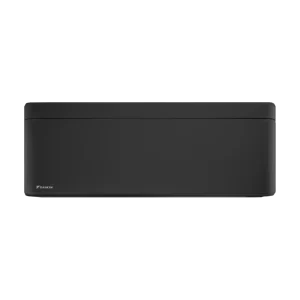
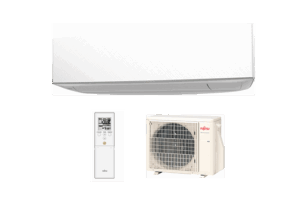
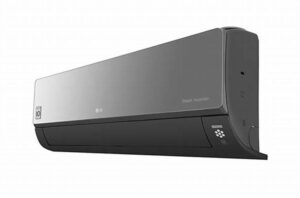
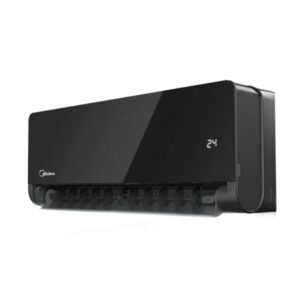
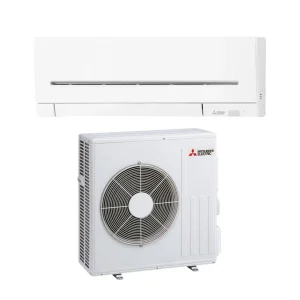
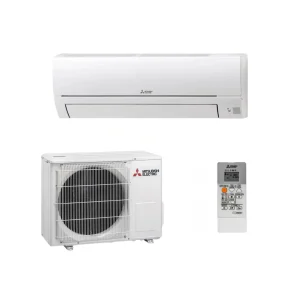
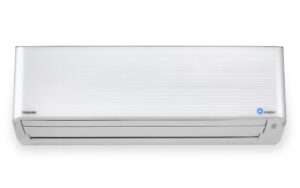
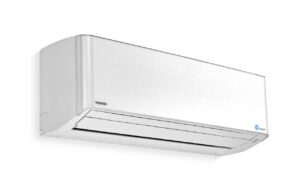
We offer a range of systems, including split systems, ducted systems, and multi-split systems, tailored to suit the size and complexity of your business environment. During our consultation, we’ll assess your building’s needs and recommend the most suitable option.
How long will installation take, and will it disrupt my business operations?
Installation time depends on the size of the space and the complexity of the system. We work efficiently to minimize any disruption to your business and can schedule installation during off-hours if needed.
Do your systems come with any special features for businesses?
Yes, our commercial air conditioning units come with advanced controls, including Wi-Fi connectivity, allowing you to manage the system remotely and integrate with your building’s smart systems.
What is the cost of servicing and maintaining a commercial air conditioning system?
Our maintenance plans are tailored to the size of your system and the complexity of your building. We offer regular servicing options to ensure your system runs efficiently and help prevent costly breakdowns.
How do I know what size system my business needs?
During our consultation, we will conduct a full assessment of your premises, taking into account factors such as square footage, layout, and specific cooling requirements, to recommend the right size system for your business.
Are your systems energy-efficient for large spaces?
Yes, we prioritize energy-efficient systems that are designed to handle large spaces while minimizing energy consumption. This can help reduce operational costs over time.
Can your systems handle specific climate control needs for server rooms or sensitive equipment?
Absolutely. We have specialized air conditioning solutions for server rooms, data centers, and environments that require precise climate control to protect sensitive equipment.
What happens if my system malfunctions outside of regular business hours?
We provide a fast-response call-out service, including after-hours support, to ensure your business experiences minimal downtime if something goes wrong with the system.
How can I improve the indoor air quality (IAQ) with my air conditioning system?
Regular filter replacements are key, but you can also opt for air purification add-ons like UV lights or advanced filtration systems that work with your AC unit to reduce pollutants, allergens, and bacteria in the air.
What does HVAC stand for?
HVAC stands for Heating, Ventilation, and Air Conditioning. It refers to the systems used to regulate and move air between indoor and outdoor areas, as well as heating and cooling both residential and commercial buildings. Here’s what each part involves:
- Heating: This refers to the systems that provide warmth, typically through boilers, furnaces, or heat pumps.
- Ventilation: Ventilation ensures the exchange of air to maintain indoor air quality, providing fresh air and removing moisture, odors, smoke, heat, dust, and airborne bacteria.
- Air Conditioning: This part involves cooling and dehumidifying the air to maintain a comfortable indoor temperature, especially during hot weather.
HVAC systems are integral to maintaining indoor comfort by controlling temperature, humidity, and air quality.